Bush Church Aid is all about Aid to the Church in the Bush; providing biblically faithful ministry and bringing the life-changing gospel message of Jesus to rural, regional, and remote Australia.
WHERE WE
SERVE

Confirmation Content

New Supporter

Existing Supporter
Confirmation Content
LATEST NEWS
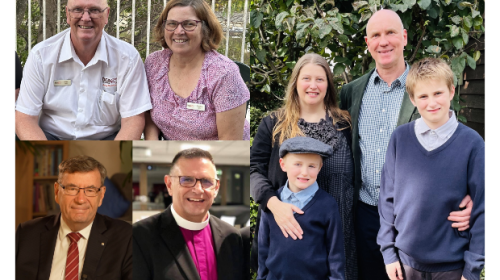
Changes to the BCA Community for 2027
As we head rapidly towards the end of the year, there are some changes to the BCA community to let you know about for 2027. We farewell two valued members and welcome two new ones.
11 Oct 2026
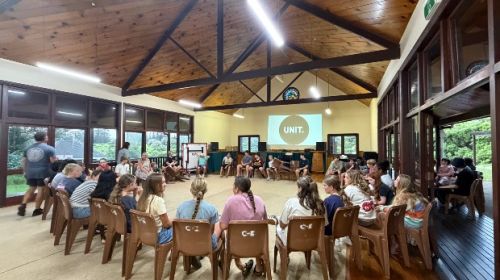
Lives are being changed on Norfolk Island
Lives are being changed on Norfolk Island through the
Good News of Jesus! There is much to report with exciting
opportunities to testify of God’s goodness to His people here, and to share the Good News of Jesus Christ.
1 Sep 2026
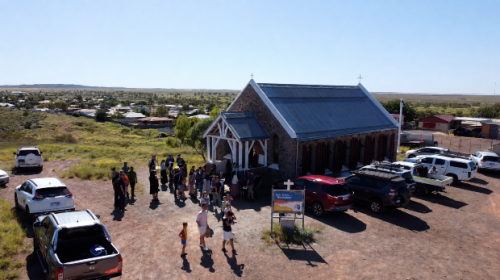
Celebrating reconciliation in the Pilbara
Each year BCA offers our Field Staff NAIDOC Week and
Reconciliation Week Grants. This year Frank & Jo Nicol used their grant to celebrate the reconciliation God has brought in Christ, together with the faithful from the Pilbara Aboriginal Church.
1 Sep 2026
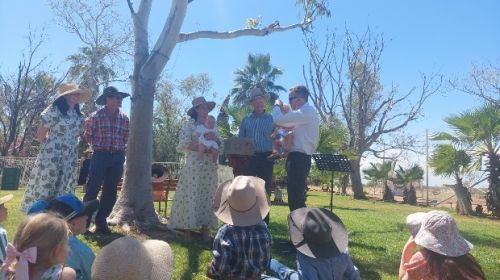
Exciting ministry crossovers bring great encouragement
Meeting for the first time at the BCA Field Staff Conference last month, David Browne and Simon Owen soon discovered two ministry crossovers which illustrate how God works through His people across distances and over years.
31 Aug 2026
Confirmation Content

Publications

Shop

News

Events
Confirmation Content